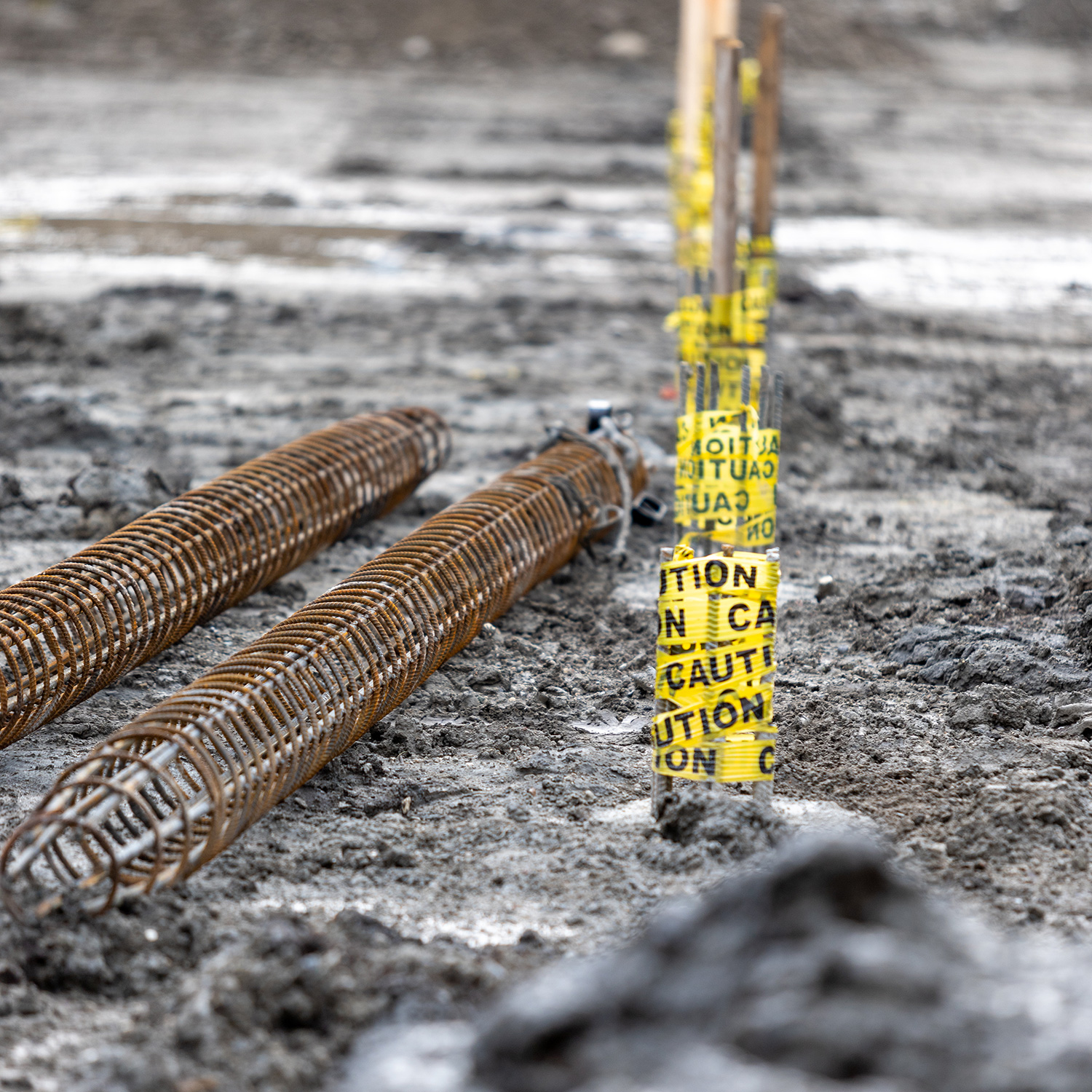
In the world of construction, the strength of a edifice is paramount, and this starts with a strong foundation. Piling foundations play a crucial role in ensuring that edifices can bear different soil conditions and heavy loads. As building projects expand in complexity and scope, understanding the importance of piling gets crucial for engineers, architects, and builders alike. This piece seeks to explain piling foundations, examining their forms, advantages, and the techniques driving their use in contemporary construction.
From sprawling skyscrapers to coastal structures, piling foundations provide the necessary foundation that allows these edifices to rise confidently, even in challenging environments. Whether an entrant to the field or looking to enhance your understanding, this comprehensive guide will clarify the fundamental principles of piling foundations, their installation methods, and the key factors that impact their design and application. Join us as we delve into the intricacies of this vital aspect of construction and explore why proper foundation techniques can mean the difference between a secure building and one at danger of failure.
Grasping Pile Foundations
Piling foundations are specialized deep foundation techniques used to transfer loads from buildings down to reliable soil or rock layers beneath less stable surface soils. They are made of long, slender posts made from compositions such as timber or plastic that are hammered or excavated into the ground. This approach is crucial in areas with substandard soil conditions or where surface stability cannot sustain considerable weight. By employing piles, architects can ensure that edifices and other erections continue to be sound, regardless of the issues posed by the surrounding ground.
The significance of piling foundations lies in their potential to improve structural integrity, especially when constructing large buildings, bridges, or other substantial infrastructures. They facilitate for the spread of substantial loads over a wider area, effectively avoiding structural settlement or failure. Piling solutions are customized to the specific soil conditions and project needs, guaranteeing that each foundation method is optimized for its specific use, hence extending the lifespan of the structure it underpins.
Grasping how piling foundations work also includes recognizing the various types on the market, such as driven piles and bored piles. Driven piles are factory-made concrete or steel piles that are hammered into the ground, while bored piles are developed by drilling holes into the ground and then filling them with concrete. Each method has distinct advantages and is determined based on factors like earth type, depth, and loading needs. As construction methods advances, new innovations proceed to improve the effectiveness and efficiency of piling foundations, making them a preferred solution in modern construction.
Types and Benefits of Piling
There is a variety of numerous types of piling foundations, each designed to accommodate diverse soil conditions and structural requirements. The typical types comprise piles that are driven, that are inserted into the ground using a pile driver; piles that are bored, that are bored into the ground; and piles that are screwed, that are inserted into the soil. Additionally, piles can be constructed from a range of materials such as concrete, steel material, or lumber, depending on the requirements of the project and conditions. The decision of pile type is vital, as it directly impacts the foundation's ability to support loads.
The benefits of using piling foundations are multiple, particularly in difficult environments. Browse this site is their capability to convey significant loads from a structure to more profound, stabler soil layers, which is essential in areas with poor surface soils. This function not only boosts the overall sturdiness of the building but also reduces the risk of settlement over time. Furthermore, piling foundations are often quicker to install versus traditional methods, which can expedite the construction process and shorten project timelines.
Piling also offers substantial versatility, making it fit for a range of projects, from domestic structures to large commercial skyscrapers. In seaside construction, for example, piling foundations can be crucial in dealing with fluctuating water levels and comparable challenges. The use of contemporary piling technologies and innovations has further enhanced their effectiveness, providing solutions that are both robust and sustainable. By choosing the right type of piling foundation, builders can ensure their structures are neither stable but also tough against various external pressures.
Installation and Advancements in Pile Installation
The setup of piling foundations involves a systematic process to ensure strength and backing for large structures. First, the construction site is prepared, which includes assessment and site clearance. Depending on the kind of piles being used, either driven or bored piles will be chosen. Driven piles are hammered into the ground, while bored piles are removed and filled with concrete. Engineers meticulously calculate the length and placement of each pile to match the structural requirements, taking into account ground conditions and weight support.
Recent developments in piling methods have significantly improved the efficiency and efficiency of the installation process. For instance, the development of rotary percussion drilling has improved the ability to create precise boreholes, reducing noise and noise, which is particularly helpful in city areas. Furthermore, the use of advanced materials, like fiber-reinforced polymers, has allowed for lighter yet stronger piles, which can be simpler to install and handle. Automation in pile driving machinery also lowers manual labor and improves security on construction sites.
As environmental concerns rise, modern piling solutions are also targeting eco-friendliness. New approaches prioritize reducing greenhouse gas footprints by incorporating recycled materials in pile construction. Moreover, continuous developments in monitoring technology enable real-time tracking of pile functionality during and after setup. This data-driven approach helps engineers decide wisely, enhancing the durability of the foundation and extending the lifespan of the entire structure. These innovations not only streamline the installation process but also contribute to more robust and eco-friendly construction practices.