

If you have ever felt self-conscious about your grin due to lost teeth, you're not the only one. Many people experience a decline in confidence when faced with oral issues. Fortunately, tooth implants offer a life-changing solution that not only rehabilitates your smile but additionally enhances your overall standard of life. By understanding what dental implants are and how they work, you can make an educated decision that could transform your life for the good.
In this piece, we will explore the various benefits of tooth implants in contrast to traditional options like false teeth and bridges. From improving oral health and function to stopping bone loss, dental implants have been shown to be a long-lasting investment in your health. We will also address common concerns and myths surrounding the procedure, making sure you feel completely equipped to embark on your journey toward renewed confidence and a radiant smile.
Understanding Dental Implants
Dental implants are artificial dental anchors crafted to hold up replacements like crowns, linkages, or false teeth. They are usually constructed of titanium, a body-friendly substance that fuses with the bone in a procedure called bone integration. Implants provide a long-term solution for lost dental structures by imitating the function and appearance of natural dentition, thus restoring both aesthetics and functionality.
The procedure begins with a comprehensive assessment and preparation to choose the best approach for the patient. A oral practitioner will insert the implant into the jawbone, where it will eventually merge and provide a reliable base for the synthetic replacement. This method guarantees that individuals can enjoy enhanced dental health, enhanced mastication capability, and an all-around increase in confidence.
Many elements play a role to the effectiveness of oral prosthetics, such as the patient's bone density, dental hygiene, and lifestyle choices. For best results, patients should be dedicated to maintaining effective oral care and comply with their dentist's advice. Comprehending these aspects can help individuals make informed decisions about whether oral implants are the suitable option for them.
Benefits and Considerations
Dental implants provide multiple benefits that can significantly enhance a person's quality of life. One of the most notable benefits is their ability to restore normal function, allowing individuals to consume food, talk, and grin with self-assurance. Unlike dentures, which can slip or cause pain, dental implants are firmly anchored in the jawbone, providing stability and a natural feel. Additionally, they help maintain the integrity of the jawbone by preventing deterioration, which often occurs after tooth loss.
However, potential candidates for dental implants should consider several considerations before proceeding. While implants are a long-term solution, the initial investment can be significant, leading many to ask if they are worth the cost. It is important to consider the long-term benefits of implants, such as their durability and the improved oral health they encourage. Patients should also assess their overall dental health and any additional procedures, like grafting, which may be necessary for a successful implant.
Moreover, understanding the healing process after surgery is key for those considering dental implants. This process can differ among individuals and may involve discomfort and downtime. Being informed about what to expect before, during, and after the operation can alleviate apprehensions and help patients prepare properly. Ultimately, the advantages of dental implants can significantly outweigh the factors, restoring not just teeth but also confidence and a positive self-image. ### The Procedure for Implants and Aftercare
The process of getting dental implants generally includes several important stages to guarantee a positive result. First, a thorough examination and imaging of the mouth are conducted to assess the jawbone and determine the ideal placement of the implant. In the first surgery, a titanium post is surgically placed into the jawbone, serving as the anchor for the new tooth. This procedure is usually performed under local anesthesia, and afterward, a healing period of several months is necessary for osseointegration, where the bone fuses with the implant, providing a strong foundation.
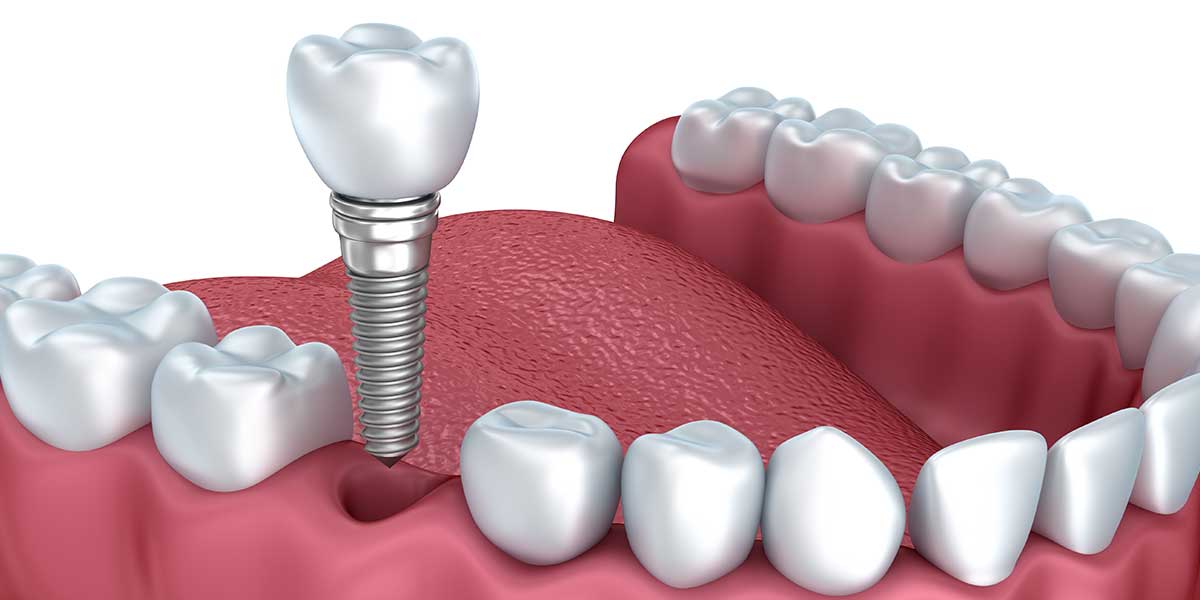
Once the healing process is complete, the next step involves attaching an abutment to the implant, which serves as a connector for the crown. The dentist will take impressions of your mouth to create a custom crown that matches your natural teeth. Once https://fixeddentalcare.com/ is made, it is firmly positioned on the abutment, finalizing the enhancement of your smile. During this entire process, dental practitioners make sure patients feel at ease and are kept updated on their progress, responding to any questions or issues that may come up.
Aftercare is essential for the long-term success of dental implants. Patients are advised to maintain good oral hygiene by brushing and flossing regularly around the implant site and attending follow-up appointments for professional cleanings. It's also important to avoid smoking and excessive alcohol consumption, as these can negatively impact healing and implant longevity. By adhering to the suggested aftercare guidelines, you can reap the rewards of your dental implants for numerous years ahead.