

Falafel has long been celebrated as a favorite in plant-based cooking, bringing together delicious tastes, pleasing consistencies, and a wealth of nutritional benefits. Whether you enjoy it in a pita, as part of a salad, or enjoyed as crispy bites with dipping sauces, falafel remains the perfect plant-based comfort food. In this detailed guide, we will explore the details of making the ideal vegan falafel at home, including tips for achieving that perfect crunch, storage and reheating tips, and innovative serving suggestions this delicious dish.
From the flavorful and aromatic herbs that give falafel its distinctive taste to creative recipes that cater to contemporary dietary preferences, such as gluten-free or low-oil versions, you will discover everything you need to boost your falafel game. Whether you are a seasoned cook or just starting out, our step-by-step recipes, meal prep ideas, and entertaining tips will help you enjoy falafel in all its varieties. Get ready to unleash your culinary creativity and experience the vibrant, wholesome goodness of vegan falafel like never before seen.
Making Crispy Plant-based Chickpea Balls
To make crispy plant-based falafel, the first step is picking the right ingredients. Use uncooked chickpeas or fava beans as opposed to canned ones, as they give enhanced texture and flavor. Soak the raw beans overnight to soften them, which will help in getting that ideal crunch when fried or toasted. Adding fresh herbs like parsley and cilantro enhances the flavor and adds to the vibrant color of the falafel.
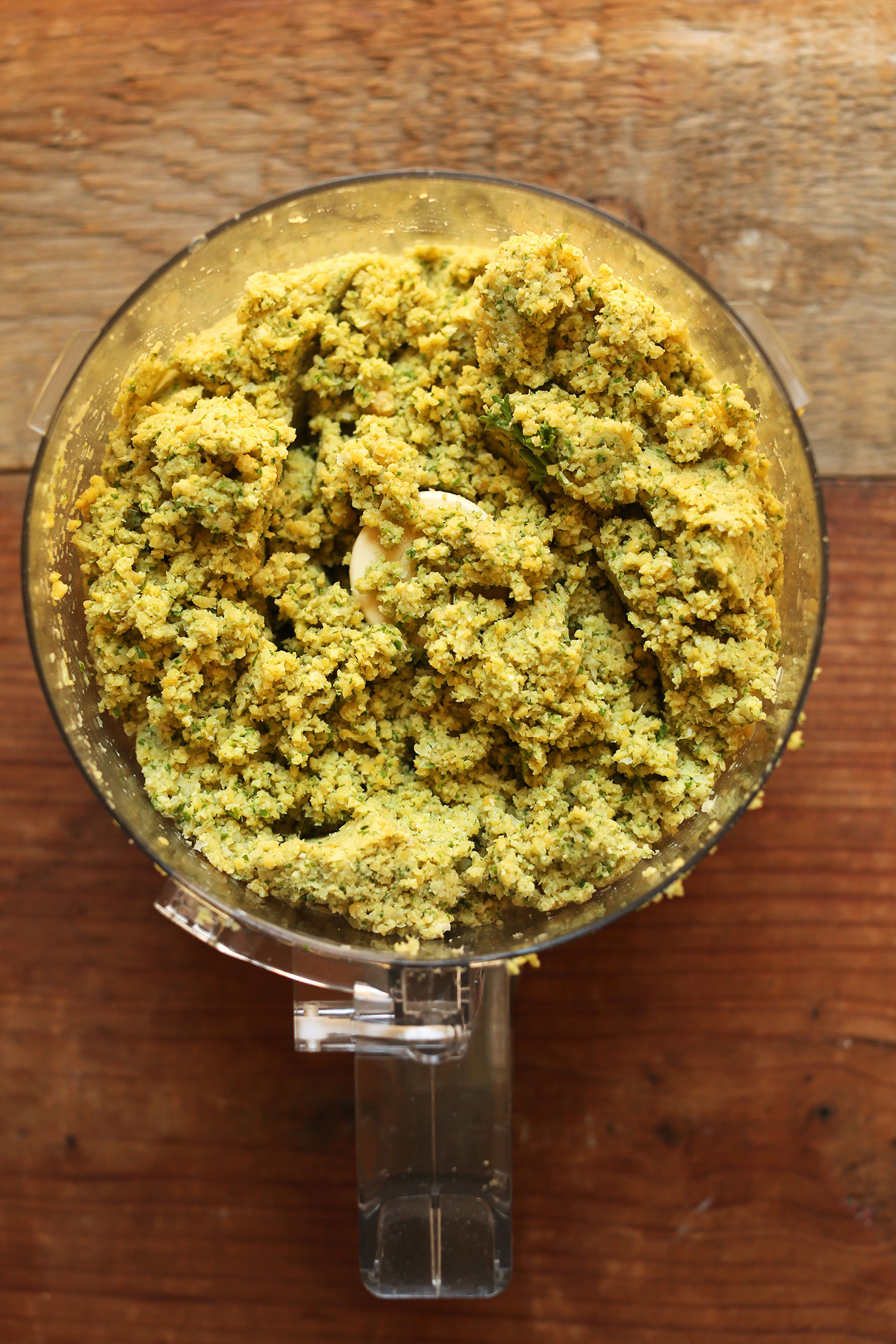
The secret to crunchy falafel lies in the choice of thickeners and the water content of the mixture. Avoid over-processing the chickpeas; a rough blend ensures that the falafel maintains its structure while cooking. Use minimal amounts of flour to bind the mixture well; chickpea flour or a non-gluten alternative can be excellent for ensuring a light texture. Additionally, add a bit of baking powder for leavening, which yields a more airy falafel.
When cooking your falafel, how you fry them heavily influences their crispiness. If you choose frying, ensure the oil is hot enough to create an immediate seal on the outside, which locks in moisture while browning. For those choosing a healthier approach, air frying or baking are excellent alternatives. Preheat your air fryer or oven and contemplate brushing the falafel lightly with oil to encourage color and texture.
Serving and Accompaniment Ideas
One of the best aspects of vegan falafel is its flexibility in serving options. You can relish falafel in a classic wrap with crisp veggie toppings, tahini, and your favorite sauce for a fulfilling meal. Alternatively, falafel can be served in a pita pocket with pickled vegetables and a liberal drizzle of garlic sauce, offering a delightful balance of flavors and textures that excite the palate.
For a more substantial dish, consider creating a falafel bowl. Start with a base of grains like quinoa or brown rice, then garnish it with golden falafel, cherry tomatoes, cucumbers, and avocado. Drizzle with a lemon-tahini dressing or a hot sauce to enhance the dish. This allows for a nutritious, satisfying, and customizable meal that can suit any palate.
If you're looking to impress at gatherings, a falafel platter is a excellent option. Arrange an assortment of falafel along with dips such as hummus, baba ghanoush, and tzatziki. Include a selection of colorful vegetables, olives, and pita chips for a inviting spread. This communal style of presentation not only encourages sharing but also creates a interactive dining experience.
Hints and Methods for Flawless Falafel
To make the best falafel, it's important to start with the best beans. While chickpeas are the preferred choice, using fava beans can give your falafel a special texture and taste. Soaking Additional info for several hours is necessary, as it helps them soften and makes them simpler to process. If you're short on time, you can use pre-cooked beans, but be sure to rinse and drain them thoroughly to avoid excess moisture, which can lead to wet falafel.
Spices are the backbone of falafel’s flavor. A careful blend of spices like cumin, coriander seeds, and garlic powder is crucial for attaining that genuine taste. Experiment with fresh herbs such as parsley leaves and cilantro for extra freshness. Remember to modify the seasoning according to your taste, as the right balance of spices can elevate your falafel from good to memorable.
Finally, avoid over-processing your mixture. You want a chunky texture that sticks but isn’t smooth like hummus. For ideal shaping, dampen your hands to prevent adhesion. When preparing, whether baking or frying, watch the heat. If you are frying, ensure the oil is hot enough so your falafel develops a golden brown crust while remaining light inside. For baked versions, a thin spray of oil can help achieve that desired crispness.