

Ground Penetrating Surveys, also known as GPR, is transforming the manner in which archaeology is carried out and comprehended. This innovative technology allows scientists to uncover concealed archaeological sites, relics, and building remains with minimal excavation required. By using radar signals to image the subsurface, GPR offers a non-invasive approach that not only aids in historical discovery but also preserves the authenticity of ancient locations. As we explore the fascinating world of ground penetrating surveys, we'll explore their applications, benefits, and how they are reshaping the practices of archaeological practice.
This article we will take you through the essentials of GPR, delivering a comprehensive guide for beginners to grasping this innovative technology. We’ll discuss the critical reasons for performing GPR before any digging efforts, examine how these surveys can prevent expensive holdups in building endeavors, and contrast GPR with conventional utility detection techniques. Emphasizing safety, precision, and efficacy, we will highlight the crucial importance of GPR in contemporary archaeological practice and various other fields, guaranteeing you have a comprehensive understanding of this invaluable technology.
Grasping Ground Penetrating Radar Surveys
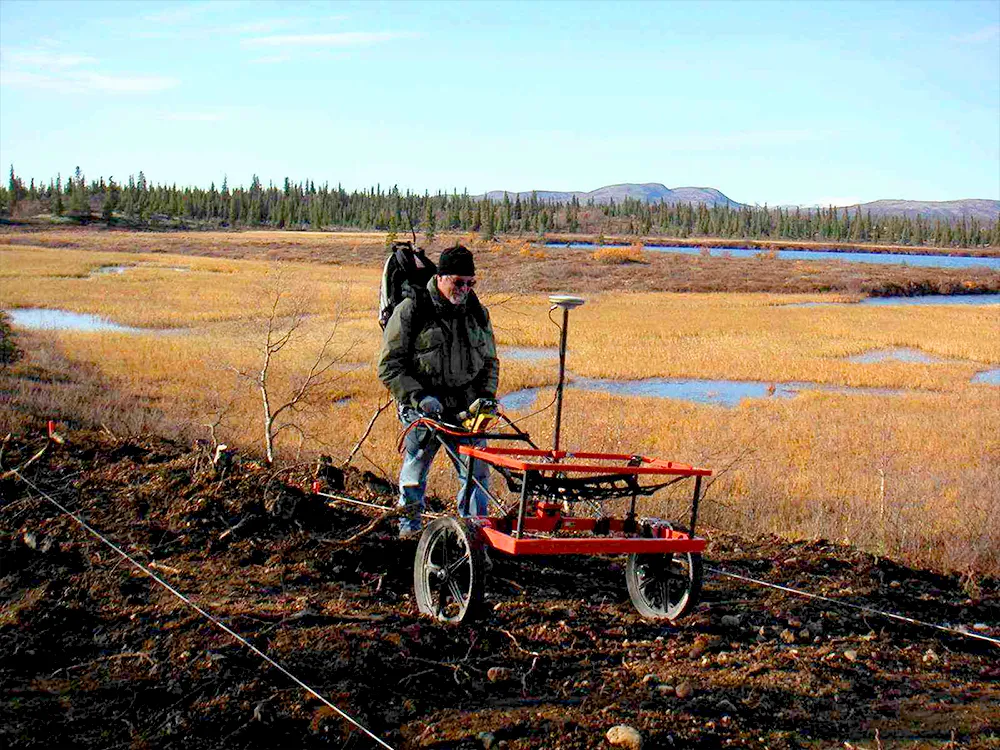
Ground Penetrating Radar Surveys, frequently shortened as GPR, is a geophysics-based technique that uses radar signals to map the below-ground area. This technology is based on the principle of sending EM waves into the earth and measuring the reflected signals that bounce back from different subsurface structures. These reflections can deliver crucial information about the size, form, and composition of underground features bypassing the need for digging.
The uses of Ground Penetrating Surveys are vast and varied, making it an critical instrument in various industries, such as archaeological studies, construction, environmental evaluations, and finding utilities. In archaeology, GPR can uncover buried artifacts and structures, permitting scientists to chart historical sites non-invasively. Similarly, the building sector gains from GPR by locating and protecting underground utilities, which can aid in avoiding costly disruptions during digging projects.
One of the primary advantages of Ground Penetrating Surveys is its ability to yield timely information, allowing quick decision-making. This capability not only enhances project efficiency but also increases security by reducing the chance of unexpected encounters with subsurface hazards. As advancements continues to evolve, GPR are becoming increasingly complex, providing greater accurate and comprehensive understandings into what exists below the ground.
Benefits of GPS
GPS provide substantial advantages in multiple areas, especially in archaeology, construction, and environmental evaluations. One of the main benefits is their capability to detect subsurface features without the need for digging. This non-invasive approach allows researchers and developers to outline buried structures, artifacts, and utilities precisely, conserving time and resources. By seeing what lies beneath Ground Penetrating Radar Surveys London , GPS reduces the risks of unintentional harm to historical sites and current infrastructure.
Another key benefit of ground penetrating surveys is their role to security. In building and remodeling projects, knowing the location of subsurface utilities is essential to avoid accidents that could result from striking gas lines, water pipes, or electrical conduits. Ground penetrating surveys provide detailed images that assist contractors organize their work while avoiding these hazards. This increase in security not only safeguards workers but also helps avoid costly delays and liabilities associated with utility strikes.
Finally, ground penetrating surveys are essential for decision-making in multiple initiatives. Whether it is for environmental site assessments, archaeological studies, or urban planning, the thorough data gathered from GPS allows stakeholders to formulate knowledgeable choices based on trustworthy subsurface information. This ability can lead to sustainable growth and improved conservation of cultural resources, ensuring that valuable insights into the past and present are respected and preserved.
Implementations and Prospects of Ground Penetrating Surveys
GPR have seen a wide range of roles across various fields, changing how we explore and understand below-ground conditions. In historical research, GPR allows researchers to identify and examine historical sites without disturbing the ground, revealing underlying structures and historical artifacts without excavation. This non-invasive approach aids the conservation of heritage sites and improves the reliability of results, thereby expanding our understanding of historical societies.
As metropolitan areas continue to expand, the requirement for GPR will likely increase, particularly in the engineering sectors. GPR techniques play a vital role in locating beneath-ground services and analyzing site characteristics, ultimately reducing the hazards of construction delays and utility damages. These surveys not only conserve time and efforts but also improve workplace safety by providing vital information before digging begins.
Looking to the horizon, advancements in ground penetrating radar technology promise to improve the precision and efficiency of below-ground imaging. This includes the incorporation of artificial intelligence and automated learning to make sense of data more accurately. As municipalities and business developers recognize the many benefits of Ground Penetrating Surveys, we can expect wider acceptance of this innovative technology, further reshaping how we handle development, infrastructure projects, and site assessments. The continued evolution of GPR will be essential for reliable, productive, and sustainable progress in our increasingly complicated urban environments.