

Obstructed sewers can be a major problem for homeowners and business owners alike. Whether it is a draining poorly sink in the kitchen or a totally obstructed toilet, these problems not only disrupt daily routines but might also lead to high maintenance if ignored. Understanding the frequent causes of blocked pipes, as well as advanced methods, can save you effort, funds, and frustration.
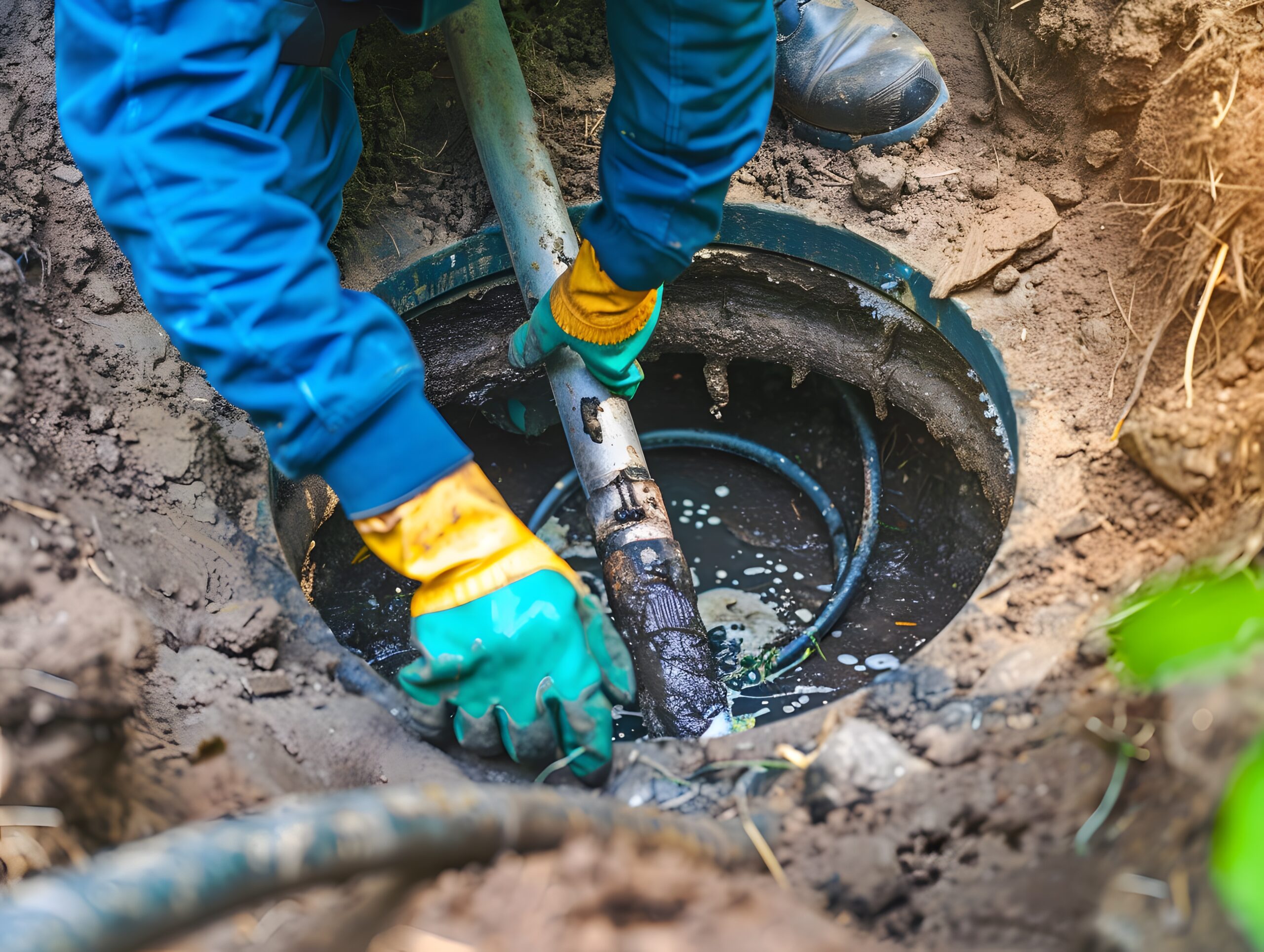
In this article, we will discuss effective solutions for unclogging pipes, from identifying the major signals your pipe is about to get obstructed, to discussing the advantages and cons of homemade approaches versus specialized services. We will also look into green methods, the impact of chemical solutions, and important maintenance tips that can prevent future problems. With practical advice and tips, this guide aims to empower you to tackle drain problems efficiently and keep your plumbing in great working order.
Common Factors of Clogged Drains
Clogged sinks can result from a range of everyday materials that often find their path into our plumbing systems. One of the most common factors is food waste, especially in kitchen sinks. Waste, oils, and liquids can accumulate, resulting in stubborn blockages that hinder water flow. Additionally, unwise disposal of things like used coffee grounds and fibrous produce can contribute to clogs, making it crucial to be aware of what enters the sink.
In bathrooms, hair is a notable cause behind clogged sinks. With time, hair can mix with soap scum, creating thick clogs that are difficult to remove. Items like moisturizers, hair cleansers, and hair conditioners can exacerbate this situation, gradually building up and sticking to the surfaces of pipes. To prevent these kinds of clogs, using covers and frequently maintaining your plumbing is essential.
Another common reason of drain blockages is the penetration of vegetation roots. As trees grow, their roots search for moisture and can penetrate underground tubing, leading to severe clogs. This frequently goes unnoticed until the problem becomes severe, causing expensive restorations. Routine care and inspections can help identify potential root problems before it results in serious drainage concerns.
Do-It-Yourself vs. Professional Solutions
As you deal with a blocked drain, many homeowners initially turn to DIY methods. These can include using a plunger, baking soda combined with vinegar, or even a drain snake. DIY solutions often attract due to their low cost and the fulfillment of resolving an issue independently. However, they may only deliver a short-term solution, especially for stubborn clogs or deeper problems that require a more thorough approach.
On the other hand, calling a licensed plumber can conserve time and potentially prevent further damage to your plumbing system. Professionals come prepared with advanced tools and techniques, such as hydro jetting and drain cameras, which allow them to detect and resolve the root causes of clogs. Their skill can also reduce the chance of future problems, providing more permanent fixes than typical DIY efforts.
Ultimately, the decision between DIY and professional solutions depends on the severity of the obstruction and the homeowner's comfort level with plumbing tasks. For small clogs, DIY methods may suffice, but for ongoing issues, enlisting a professional can be a smart investment in maintaining the health and functionality of your drainage system.
Preventive Upkeep Tips
Routine upkeep is crucial for maintaining your drains unblocked and avoiding clogs. One of the most straightforward ways to care for your pipes is by creating a seasonal checklist. This checklist should consist of tasks like checking for leaks, cleaning the drains, and removing obstructions from exterior and storm gutters. Additionally, be proactive in keeping strands of hair, food scraps particles, and oily substances out of your plumbing network to minimize build-up.
Employing natural solutions can further help avoiding possible clogs. Think about periodically pouring your drains with a combination of baking soda and vinegar, as this can help break down light accumulation. Additionally, installing follow this link can prevent larger debris from entering the drains, further lessening the chances of blockage. These simple yet efficient methods can prolong the longevity of your systems.
Lastly, routine expert inspections can catch problems before they become major into significant problems. Professionals have the tools and expertise to spot trouble spots and avoid upcoming blockages. Investing in regular maintenance can protect you costs in the long run and guarantee that your systems function efficiently, safeguarding your home from the results of clogged pipes.