

As, having a dependable air conditioning unit cannot be ignored. These essential appliances not only provide comfort but also play a key role in ensuring indoor air quality and overall well-being. Nevertheless, with so many options available for purchase, understanding the world of air conditioning can be confusing for homeowners and organizations alike. Whether you are looking to install a new unit or upgrade an old one, grasping the key aspects of air conditioning units is vital.
In this discussion, we will explore the technology behind air conditioning units and share valuable information to help you make informed decisions. From distinguishing between central and ductless systems to considering the benefits of energy-efficient models, we will address everything you need to know before purchasing an air conditioning unit. Additionally, we will cover common problems, maintenance tips, and the environmental impact of these units, ensuring that you have a thorough knowledge of how to keep your space pleasant and welcoming.
Picking the Right Air Conditioning Unit
Selecting the right air conditioning unit is essential for achieving coziness, effectiveness, and value in your residence. To start, evaluate the dimensions of the area you want to cool. An air conditioning unit that is too small will have difficulty to cool the space, while one that is too large may cool down the area too quickly without adequately dehumidifying it. This can lead to unease and elevated energy costs. The optimal unit size is calculated in BTUs, or British Thermal Units, so consult capacity charts to find the appropriate capacity for your demands.
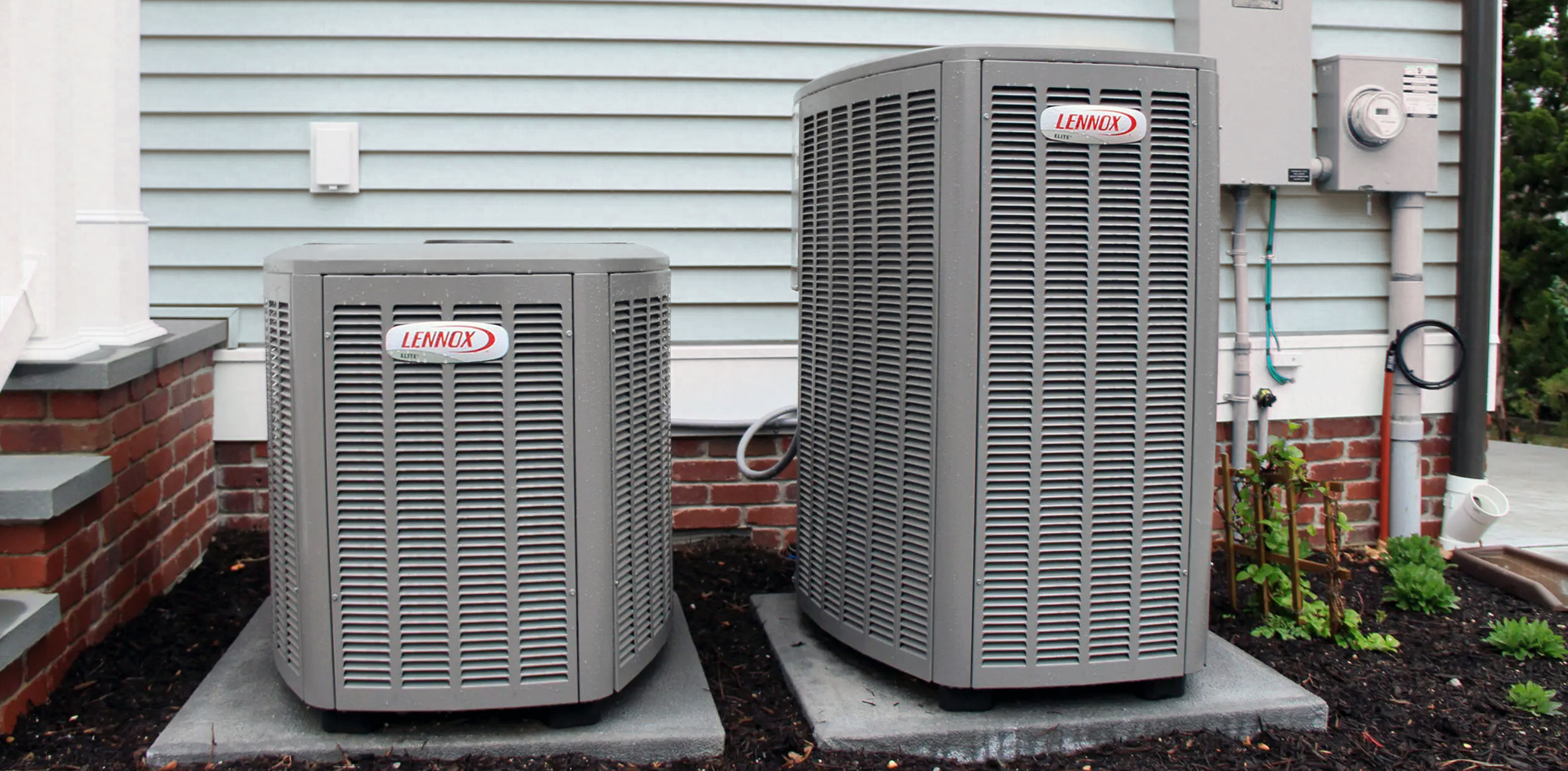
Subsequently, consider the style of air conditioning unit that best fits your residence. Ducted air conditioning systems work well for larger homes, delivering even cooling throughout multiple rooms through air ducts. Alternatively, ductless mini-split systems are perfect for homes without existing ductwork, facilitating specific heating and cooling. Window units and portable air conditioners are suitable for compact spaces or particular rooms, making them flexible options that can be placed and uninstalled during different seasons.
In conclusion, review the energy performance of potential units. Seek out models with a good Seasonal Energy Efficiency Ratio (SEER) rating, which shows better energy performance. Energy-efficient units can dramatically reduce your electricity costs and eco-footprint over time. Features such as smart controls, advanced tech, and inverter systems can enhance effectiveness and convenience. Keep in mind your expense limits and long-term savings when picking the ideal air conditioning unit for your residence.
Efficiency in Energy Use and Cost Considerations
When selecting an air conditioning unit, energy-saving capabilities is a key factor that influences both the environment and home costs. Quite a few units come with a SEER rating rating, which indicates their cooling performance. Increased SEER ratings mean superior energy efficiency, resulting in decreased energy costs over time. Opting for http://www.newcastleaircon.co.uk/best-Air-Conditioning-Units-tyne-and-wear -efficient model may cost a higher initial investment, but the long-term savings can make it a valuable choice.
Furthermore, the price of installing new air conditioning unit differs considerably based on the type, size, and complexity of the installation. Ducted air conditioning systems generally have higher installation costs due to the need for ductwork, while ductless systems may be more economical for limited spaces. Homeowners should also consider continuing maintenance fees, including filter changes and scheduled servicing, which can influence the overall financial burden of keeping the unit operating effectively.
Funding opportunities are often offered for new air conditioning units, enabling homeowners to control the initial expense more conveniently. Many manufacturers and retailers have payment plans or financing programs, allowing consumers to invest in energy-efficient units without the pressure of a substantial up-front payment. Utilizing these options can lead to superior choices for climate control while maintaining energy bills are kept in check.
Maintenance and Problem-Solving Advice
Consistent servicing is key to making sure your air conditioning unit operates effectively and successfully. Begin by inspecting and replacing the air filters every 1 to 3 months, as clogged filters can restrict airflow and reduce performance. Additionally, ensure the outdoor unit clear of obstructions, such as foliage, dirt, and weeds. This helps the unit operate without hindrance, improving its efficiency and longevity.
If your air conditioning unit isn’t cooling effectively, there are a few common issues to resolve. First, verify that the thermostat is adjusted to a colder temperature than the current room temperature. If the thermostat seems to be working properly, examine the refrigerant levels. Insufficient refrigerant can indicate a leak, which requires professional attention. Also, make that the supply vents are unobstructed and not blocked by furniture or other items.
In case of unusual noises or smells, do not overlook them. Noises like grinding or hissing may indicate mechanical issues or refrigerant leaks, while bad odors can indicate mold development within the system. If you encounter persistent problems or if the unit consistently cycles on and off, it may be wise to contact a HVAC professional for a thorough inspection. Routine service inspections can identify these issues early and help extend the lifespan of your air conditioning unit.