

When it comes to home upkeep, few places are as essential as the basement. A moisture-free and well-protected basement not only ensures the security of your home but also contributes to its overall value. Yet, many homeowners overlook the importance of basement waterproofing until it’s no longer possible to address. In foundation waterproofing , we will explore everything you need to know about basement waterproofing, from recognizing the signs that your basement needs urgent attention to understanding the best solutions for a healthy space.
Basement waterproofing is not merely an option; it’s an indispensable step for preserving your home’s foundation and preventing expensive structural damage. With various methods available, from interior and outside waterproofing to innovative technologies, this guide will break down every approach and help you make informed decisions. Whether you’re dealing with a newly built property or an older home, understanding the details of basement waterproofing will enable you to protect your investment and create a healthier living environment for you and your family.
Understanding Basement Waterproofing
Cellar moisture proofing is a crucial component of home upkeep that entails defending your basement from liquid intrusion and moisture. This procedure not only helps to maintain your cellar free from moisture but also protects your home’s structural and enhances interior air quality. Homes with wet cellars can suffer from a range of issues, including mold proliferation, deterioration of building materials, and an heightened risk of structural issues. Understanding the importance of basement waterproofing is crucial for every property owner.
There are various methods to waterproof a basement, including indoor and exterior options. Interior moisture proofing typically involves closing walls and ground surfaces, using moisture barriers, and setting up sump pumps to control water effectively. On the other hand, outdoor waterproofing centers around stopping water from entering the cellar through the base walls and consists of excavation, drainage solutions, and waterproof membranes. Each approach has its benefits and potential disadvantages, making it vital for property owners to assess their specific requirements before choosing on the appropriate approach.
The benefits of proper basement moisture proofing extend further just stopping water harm. A effectively moisture-proofed cellar boosts the overall value of your house, creates a safer inhabiting space by lowering the risk of mold and pollutants, and protects critical areas of the structure from moisture-related decay. By focusing on basement moisture proofing, homeowners can guarantee their property remains secure, operational, and valuable for decades to go.
Determining the Right Waterproofing Method
Choosing the best waterproofing method for your basement is crucial in protecting your home from flood damage. The primary step is to evaluate your individual needs based on the type of water ingress you're facing. Whether it's moisture seepage, flooding, or condensation, comprehending the cause will assist determine the appropriate waterproofing techniques. Homeowners should perform a detailed inspection of their basement and factor in factors such as the soil type, drainage patterns, and existing water issues before deciding on a decision.
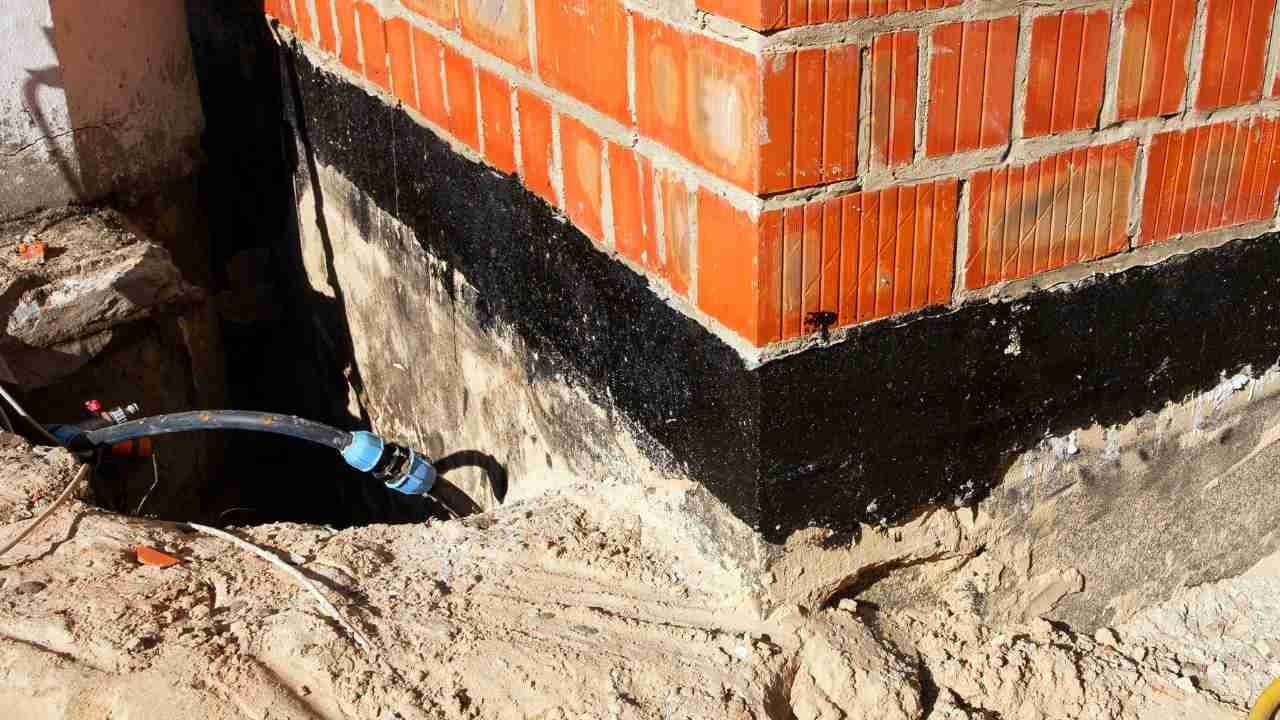
Interior waterproofing options, such as sealants and sump pumps, work well for small water issues. Nonetheless, if your basement frequently experiences major flooding or if water repeatedly seeps through the walls and floor, exterior waterproofing solutions may be better. Outside methods include adequate drainage systems, excavation, and waterproof coatings that provide a better barrier against water intrusion. Each solution has its pros and should be chosen based on the severity of the issue and the long-term protection needed.
Ultimately, it is wise to consult with a certified contractor who specializes in basement waterproofing. They can conduct an extensive assessment and recommend personalized solutions that match your basement's unique situation. Additionally, a skilled contractor can help guide through the different options available, ensuring that the selected method aligns with your budget and enhances the overall value of your home.
Looking after Your Cellar Waterproofing Setup
To guarantee the lifespan and efficacy of your basement waterproofing system, routine care is crucial. Begin by inspecting the setup at a minimum of twice a annum, preferably in the spring and fall. Look for signs of damage or deterioration, such as fissures in the walls, areas of water seepage, or any noticeable deterioration of sealing materials. Pay attention to the state of sump pumps, drainage systems, and downspouts, as they are essential elements that help keep your basement dry.
Tidying up is a further essential part of upkeep. Ensure that gutters and downspouts are unclogged of obstructions, allowing rain to flow unhindered away from your house's foundation. If you have a sump pump, inspect the sump pit for sediment buildup and clean it as needed to guarantee it operates effectively. Additionally, consider checking the drainage around your property for blockages, as stagnant water can lead to major basement problems if not dealt with promptly.
Finally, it is important to be ahead of the game in addressing any signs of moisture or leaks. If you spot any recent water damage or foul smells, take immediate action. Hiring a specialist for an evaluation can help identify underlying issues that may not be apparent to the untrained eye. Consistent upkeep combined with prompt fixes will not only keep your cellar waterproofing system functioning efficiently but also safeguard your house from potential structural damage.